But plenty of DIYers skip the prep work. They dunk a dirty, greasy handle straight into the can, skip the etching step, and wonder why the coating peels off in three weeks.
This guide covers what liquid rubber dip coating actually is, how to apply it correctly, how long it realistically lasts, and where it stops making sense—specifically for tools that face heavy industrial cycling instead of hand use.
Key Takeaways
- Liquid rubber dip coating (Plasti Dip, Flex Seal Liquid) works best for grip, comfort, and light rust protection on hand tools
- Cleaning, etching, and 2-3 thin coats with proper dry time between them are non-negotiable for adhesion
- Expect months, not years, of service life under regular use; reapply as needed
- Production tooling that cuts, punches, or forms metal needs a harder solution like PVD coating
What Is Liquid Rubber Dip Coating?
Liquid rubber dip coating is exactly what it sounds like: a thick, rubberized liquid you dip a tool into, then pull out and let cure into a flexible protective skin. Unlike spray paint, it doesn't chip or flake in sheets. It stretches and shrinks around the object as it dries.
Common uses include:
- Tool handle grips (hammers, pliers, screwdrivers)
- Wire hook and hanger coating
- Jar lid grips for kitchen use
- Dumbbell and weight coating
Popular Products Used
Two brands dominate the DIY space. Plasti Dip is marketed directly for tool grips, with a dedicated line naming hammers, pliers, screwdrivers, and paint brushes as ideal candidates. Plasti Dip's tool applications page notes improved grip, comfort, and reduced slippage.
Flex Seal Liquid is primarily a sealant that also works as a dip. Its official tool-dipping guide instructs users to dip one handle at a time and suspend it to dry.
Types of Tool Dip Coatings
Not every dip coating does the same job. Picking the wrong chemistry for your application is the second most common reason people report early failure.
| Dip Type | What It's Good At | Best Use |
|---|---|---|
| Rubber-based | Soft, non-slip surface | Everyday hand tool grips |
| Vinyl/PVC | Flexible with insulation properties | Handles near light electrical exposure |
| Polyurethane | Wear and chemical resistance | Tools exposed to oils or solvents |
| Epoxy-based | Hard, impact-resistant finish | Heavy-duty impact tools |
| Strippable coating | Temporary protection | Shipping or storage |

Liquid rubber dip is the right call for comfort and slip resistance. It is not built for abrasion-heavy industrial use—that distinction matters once you get into production environments.
Step-by-Step Guide to Dip Coating Tools
Most peeling problems trace back to poor prep or rushing the coats. Here's the process that actually holds up.
1. Set up your workspace
- Work in a ventilated area (fumes are strong)
- Lay down a drop cloth
- Rig a line or rope for hanging tools to dry
2. Clean and etch the surface
- Wood handles: sand lightly to remove old finish and roughen the surface
- Metal handles: degrease thoroughly, then wire-brush to create texture the rubber can grip
- Wipe away all dust and residue before dipping
3. Dip with a steady hand
- Submerge the handle slowly to avoid trapping air bubbles
- Pull out at a controlled, even pace. Rushing causes drips and sagging
- Hang the tool immediately so the coat sets without flat spots
4. Dry and cure between coats
- Allow 24-48 hours between coats depending on product and humidity
- Apply 2-3 thin coats total for even thickness and durability
5. Trim and inspect
- Snip excess cured rubber with scissors at the edges
- Check for full, even coverage with no thin spots or gaps

Safety tip: Wear gloves and eye protection. Fumes from rubber and vinyl-based dips are stronger than most people expect on the first try.
How Long Does Liquid Rubber Dip Coating Last?
This is the most common question after "how do I apply it," and the honest answer is: it depends heavily on how the tool is used.
Manufacturer guidance points to a range of several months up to a couple of years for correctly applied coatings under normal conditions.
For context, Plasti Dip's FAQ cites 3-5 years for a properly maintained car finish—but that's a very different exposure profile than a hand tool getting gripped daily.
Factors that shorten lifespan:
- Friction from repeated gripping and sliding motion
- Heat exposure beyond the coating's rated range
- Chemical contact, especially petroleum-based products
- UV exposure from prolonged outdoor storage

The upside: it's renewable. When it wears thin, peel it off and redip. That's a feature for a hammer handle. It's not a strategy for a die that has to run 60,000 cycles without maintenance.
When DIY Liquid Rubber Isn't Enough: Industrial Tool Coating Alternatives
A rubber dip solves a comfort problem. It does nothing for a tool that's cutting, punching, or forming metal thousands of times a day. Those tools face a different failure mode: abrasive wear and galling on a precision working surface, not a slippery grip.
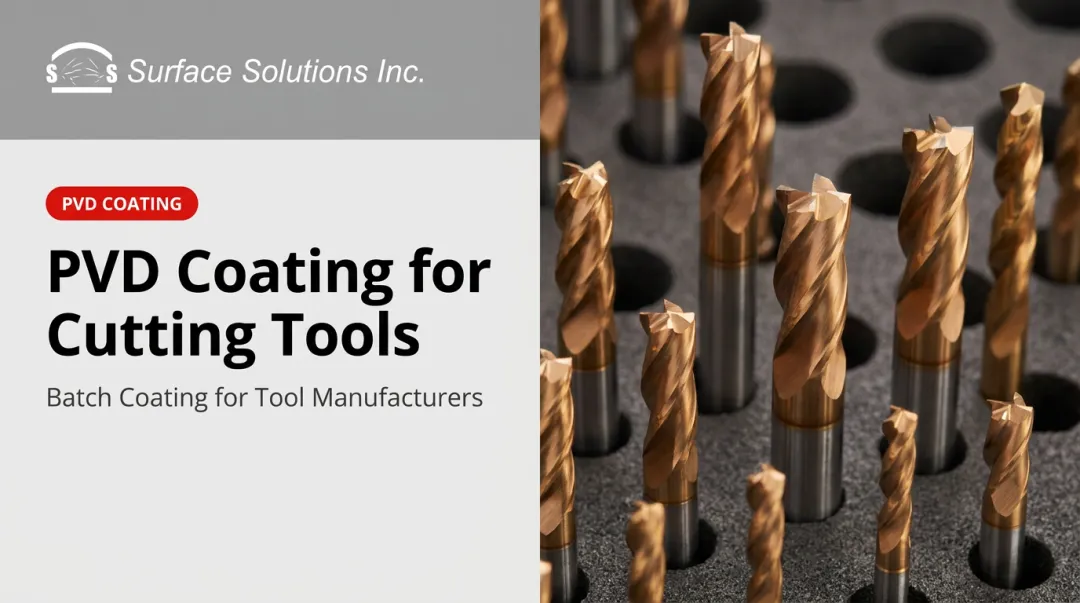
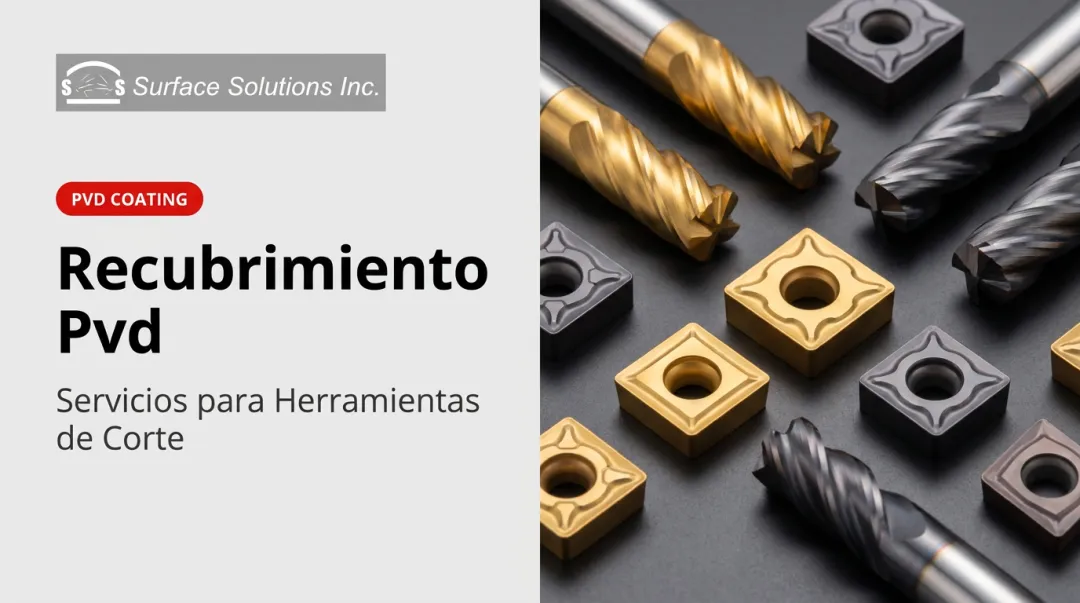
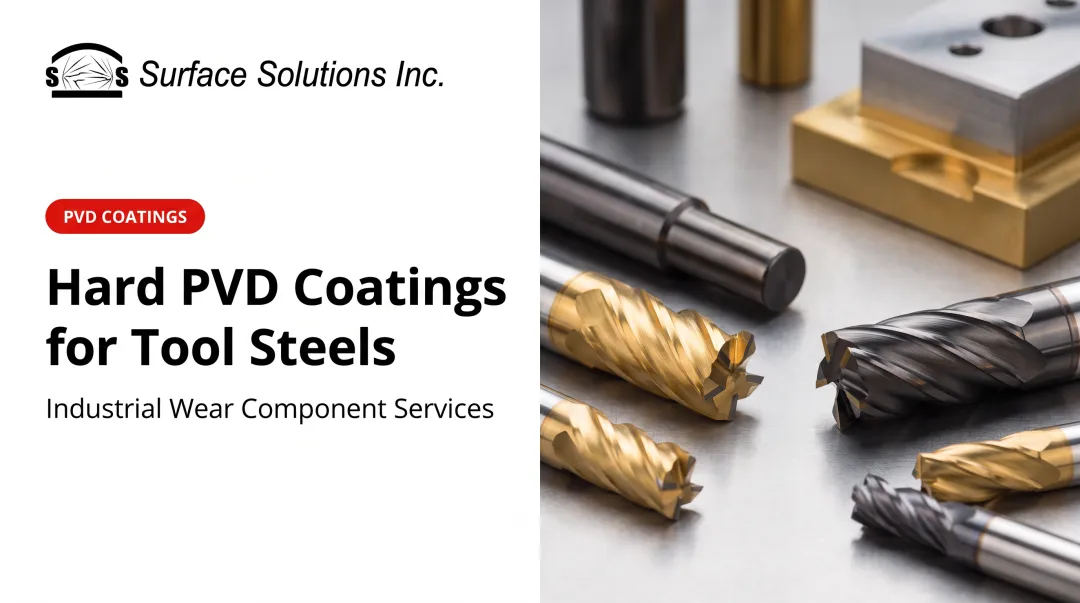
That's where PVD (Physical Vapor Deposition) coating comes in. Instead of a soft rubber layer, PVD deposits a hard, thin metallic film (just 2 to 5 microns thick) directly onto the tool's surface in a vacuum chamber.
What this looks like in practice:
- One production customer ran 60,000 parts without resharpening versus a normal 10,000-part interval: a 6x gain that saved roughly 48 hours of labor
- In stainless steel drawing, Alpha™-coated tooling managed 15 parts before running too hot; CrN pushed that past 500 parts, staying just warm
Surface Solutions applies these coatings, including Alpha™ and CrN, for manufacturers running cutting tools, punching and stamping dies, and sheet metal forming tooling. Service covers customers across the US, Canada, and Mexico, with parts shipped to the Fridley, Minnesota facility.

The use-case split is simple:
- Rubber dip → hand tool grips, comfort, light cosmetic protection
- PVD coating → production dies, punches, and cutting tools facing repeated high-stress cycles
If you're resharpening dies every few thousand parts or fighting galvanized buildup on punches, that's a production tooling problem, not a grip problem.
Frequently Asked Questions
What are the different types of tool coatings?
Rubber, vinyl, polyurethane, and epoxy dip coatings serve hand-tool grip and light protection needs. Industrial coatings like PVD, TiN, and CrN serve high-wear production tools. Each level suits a different durability requirement.
How long will Plasti Dip last?
Typically several months to a couple of years, depending on usage intensity, friction, heat, and UV exposure. Heavy daily use shortens that range considerably.
Can liquid rubber dip coating be used on industrial or manufacturing tools?
It works fine for handles and grips on hand tools. Cutting edges and high-cycle dies need harder, wear-resistant coatings like PVD instead.
Do I need multiple coats of liquid rubber dip?
Yes. Two to three thin coats with 24-48 hours of drying time between each give the best adhesion and longevity.
Is liquid rubber dip coating removable?
Yes, in most cases it peels off cleanly, making it a temporary and reversible solution you can reapply as needed.
How is PVD coating different from liquid rubber dip coating?
PVD is a vacuum-applied metallic coating built for industrial tools, offering far greater hardness and wear resistance than any rubber dip can provide.